Aluminum foil container can be safely used in Microwave ?

By

xcfoilpack

|
29 12 月, 2025
|
5 Minutes Read

Aluminum foil containers are a staple in kitchens worldwide, prized for their convenience in storing, freezing, and baking food. However, a common question arises: Are they safe to use in the microwave? The answer is nuanced and depends on specific conditions.

The Science: Microwaves and Metal

Traditional warnings against putting metal in microwaves are based on real physics. Microwaves are electromagnetic waves that cause water molecules in food to vibrate, generating heat. When these waves hit thin or irregular metal:

1.Arcing (Sparks): They can reflect off the metal, concentrating energy at sharp points or edges (like crumpled foil), creating sparks that can damage the microwave interior and pose a fire risk.

2.Uneven Heating: Metal can shield food, leading to cold spots.

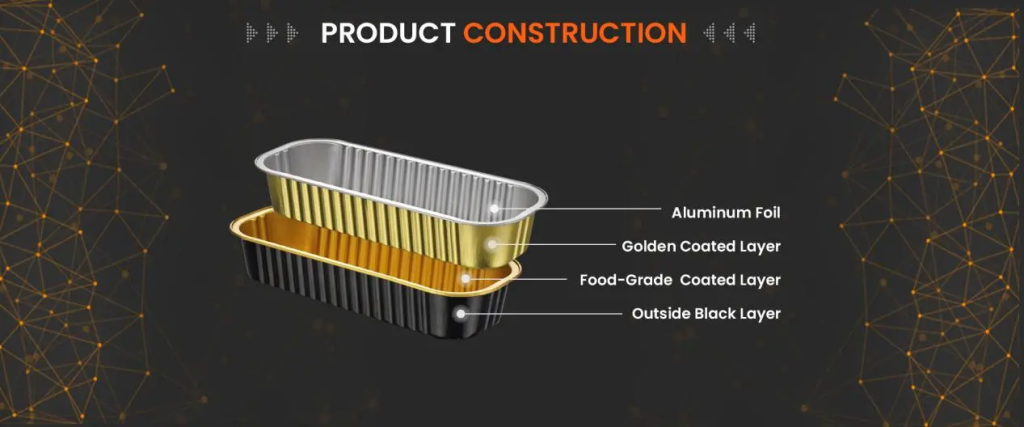
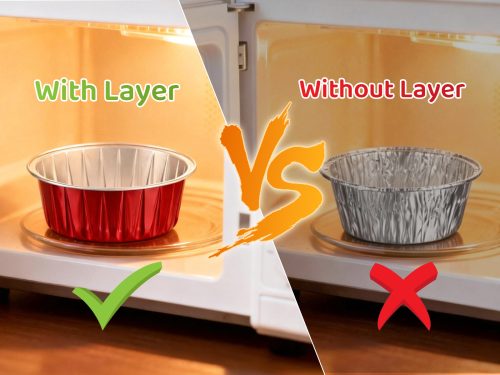
However, Colored smooth, shallow, and specifically designed aluminum containers behave differently.Why colored aluminum foil containers can be microwaved ?let check the construction to find the answer  

As we can see there is an extra coated layer .and the Core Function of the Coating: Insulation and Wave Guidance

Physical Barrier: The coating (typically food-grade, heat-resistant plastic or a specialized polymer) forms a dense insulating layer between the aluminum foil and the microwaves.

"Tricking" the Microwaves: Microwaves can safely penetrate this insulating coating and act directly on the food inside, heating it. Simultaneously, the coating prevents the microwaves from directly contacting and exciting the underlying aluminum metal, thereby fundamentally preventing arcing.

Base on above ,the colored aluminum foil containers shallow shape allows microwaves to interact with the food effectively and safely

Critical Safety Checklist:

Check the appearance: Only the coated aluminum foil containers can be safely used .

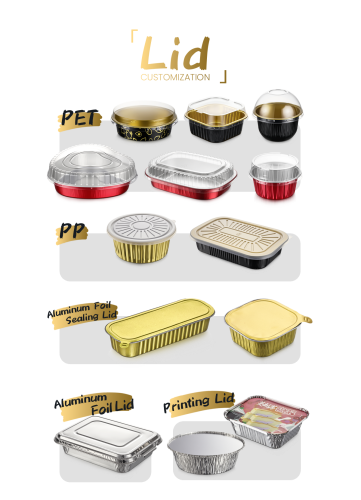
Remove Lids: Most foil container lids are not microwave-safe. Use a microwave-safe plate, wax paper, or vented plastic wrap as a cover instead.

Ensure ContentNever microwave an empty container. It should always contain food or liquid to absorb the microwave energy.

Use Correct Size: The container should not touch the microwave walls or ceiling. Leave ample space (at least 1-2 inches) on all sides.

Best Practices for Microwaving

Power Setting: Use medium power (50-70%) for longer durations rather than high power. This promotes even heating and reduces the chance of overheating the container's edges.

Arrangement: Place the container in the center of the microwave turntable.

Stirring: For liquids or dense foods, pause and stir halfway through heating to ensure even temperature distribution.

Handling: After heating, the container will be hot. Always use oven mitts or pot holders.

Advantages of Microwave-Safe Aluminum Containers

Versatility: Ideal for reheating leftovers, cooking casseroles, or steaming vegetables directly in the container.

No Cleanup: The ultimate convenience for quick meals and easy disposal (check local recycling guidelines).

Oven Compatibility: They can typically go from microwave to conventional oven for finishing (e.g., browning under a broiler).

Eco-Friendly Option: Often more readily recyclable than many plastic alternatives.

When to Avoid It

Unlabeled or Damaged Containers: Regular takeout foil pans or crumpled containers are not safe.

Foods with High Fat/Sugar Content: These can reach very high temperatures and may cause the container to warp or increase interaction risks.

If You See Sparks: Stop the microwave immediately.

Conclusion

Yes, you can microwave aluminum foil containers—if and only if they are with layer coated . By following manufacturer guidelines and the safety practices outlined above, you can leverage their convenience without risk. When in doubt, transfer food to a ceramic or glass dish marked microwave-safe. Understanding these principles allows you to use this versatile tool safely and effectively in your kitchen.

News Center

Helping global customers achieve greater efficiency

Select Your Language